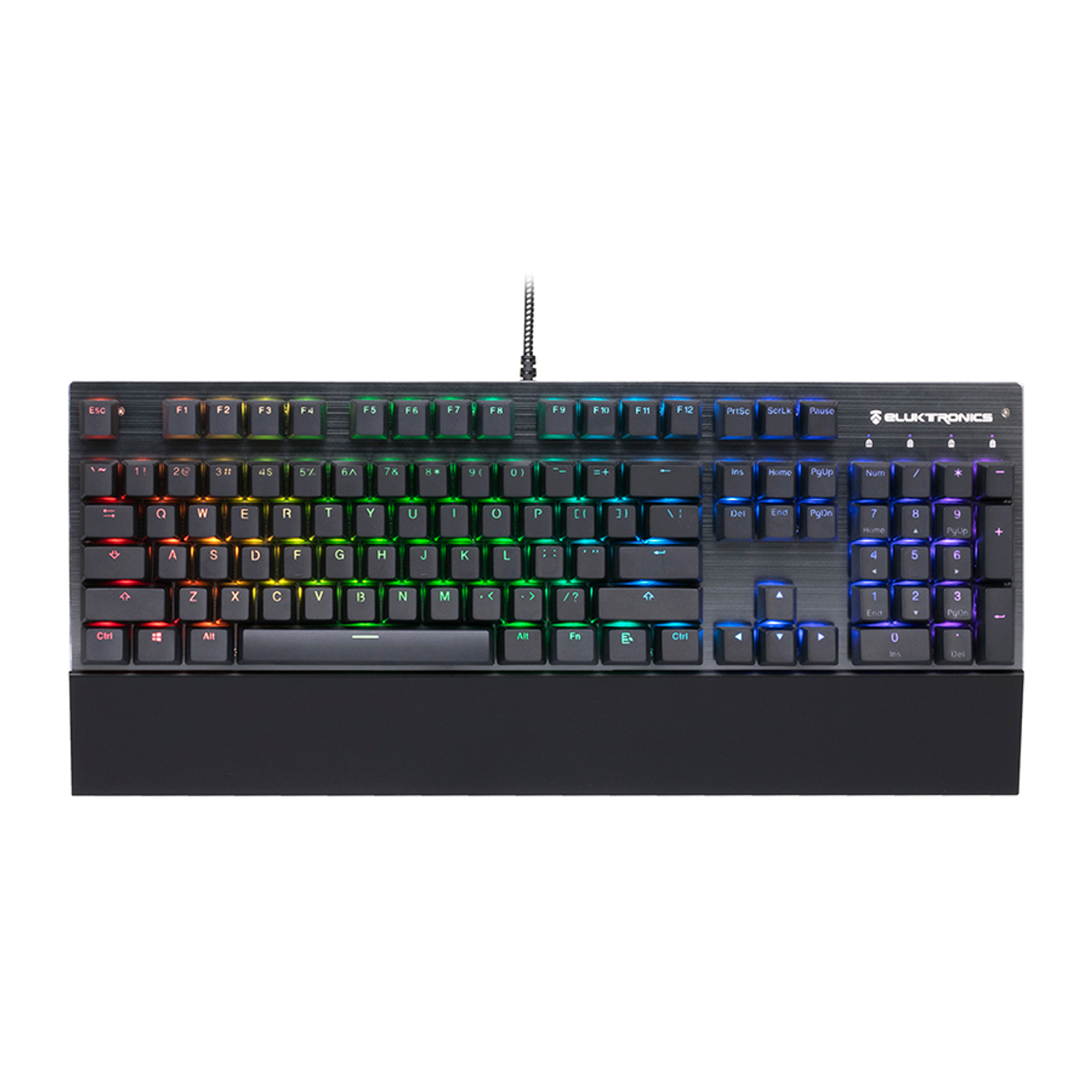
The Surprising Mechanics of Mechanical Keyboards: Why They Click
Mechanical keyboards have surged in popularity, largely due to their unique tactile feedback and satisfying click sounds. But what are the inner workings that produce this delightful experience? At the heart of each key is a mechanical switch, which consists of a housing, a spring, and a stem. When a key is pressed, the stem moves downwards, compressing the spring and eventually making contact with an electrical circuit. This action is what creates the distinctive typing sound that enthusiasts love. There are various types of switches, such as Cherry MX or Razer switches, each offering different feedback and sound profiles, allowing users to choose a style that suits their personal preference.
Furthermore, the clicky sound often associated with mechanical keyboards is a result of additional components within certain switches. For instance, blue switches are known for their audible click, which comes from a small plastic component that creates a decisive snap as the key is actuated. This auditory feedback not only enhances the typing experience but also provides a satisfying confirmation that a keypress has been registered. With the combination of tactile responsiveness and acoustic feedback, mechanical keyboards create an environment that many find more engaging and enjoyable for both work and gaming.
If you're looking to elevate your keyboard experience, exploring the Top 10 Keycap Sets for Keyboards can be a game changer. These sets not only enhance the aesthetics of your setup but also improve typing feel and responsiveness. From vibrant colors to customizable designs, there’s a keycap set for every style and preference.
Exploring Key Switch Types: What Makes Each Mechanical Keyboard Unique
When it comes to mechanical keyboards, the choice of key switches is a decisive factor in their performance and user experience. Each key switch type offers distinct characteristics that cater to various preferences and typing styles. For instance, Cherry MX switches come in several varieties—such as the tactile Brown, the linear Red, and the clicky Blue—each providing a unique feedback mechanism. Users seeking a quiet typing experience may gravitate towards linear switches, while those who enjoy audible clicks might prefer the tactile response of a Blue switch. Understanding these differences can significantly enhance your typing experience and productivity.
Beyond the well-known Cherry MX switches, other brands such as Gateron and Kailh offer alternatives that bring their own flair to the mechanical keyboard landscape. For instance, Gateron switches are celebrated for their smooth keystrokes, often regarded as even smoother than Cherry MX options. Additionally, Kailh switches are known for their innovative designs, including the Box switch series, which features a unique enclosure to protect against dust and moisture. With so many options available, exploring the key switch types not only aids in finding the perfect keyboard but also enriches your understanding of what makes each mechanical keyboard unique.
Are Mechanical Keyboards Better? A Dive into Typing Experience and Ergonomics
Mechanical keyboards have surged in popularity among typists and gamers alike, leading to an ongoing debate about whether they are truly superior to their membrane counterparts. One of the most compelling arguments for mechanical keyboards lies in the typing experience. Unlike traditional keyboards, mechanical options utilize individual mechanical switches beneath each key, providing tactile feedback and audible clicks or quiet operation, depending on the switch type chosen. This not only enhances the feel of the keyboard but also improves typing speed and accuracy as users can more easily gauge each keystroke. Many users report that the satisfying sensation of a mechanical keyboard makes long typing sessions less tiring and more enjoyable.
In addition to the enhanced typing experience, mechanical keyboards often excel in ergonomics. Many models come with customizable key switches and ergonomic designs that cater to individual preferences, promoting a more comfortable posture during use. Some keyboards even feature adjustable heights and wrist rests to further reduce strain during extended typing sessions. According to research, ergonomic keyboards can help prevent repetitive strain injuries, making mechanical options particularly appealing to those who spend hours at their computers. Ultimately, understanding these benefits can help users make a more informed decision when considering their next keyboard purchase.